
On the Journey to Joining the Global Network of Learning Cities – Part II: Stories from Around the World
The diversity and inspiring stories of the award-winning cities at the Sixth International Conference on Learning Cities, organized by UNESCO, offer valuable lessons for Vietnam to embrace with confidence as it builds a sustainable learning city ecosystem.
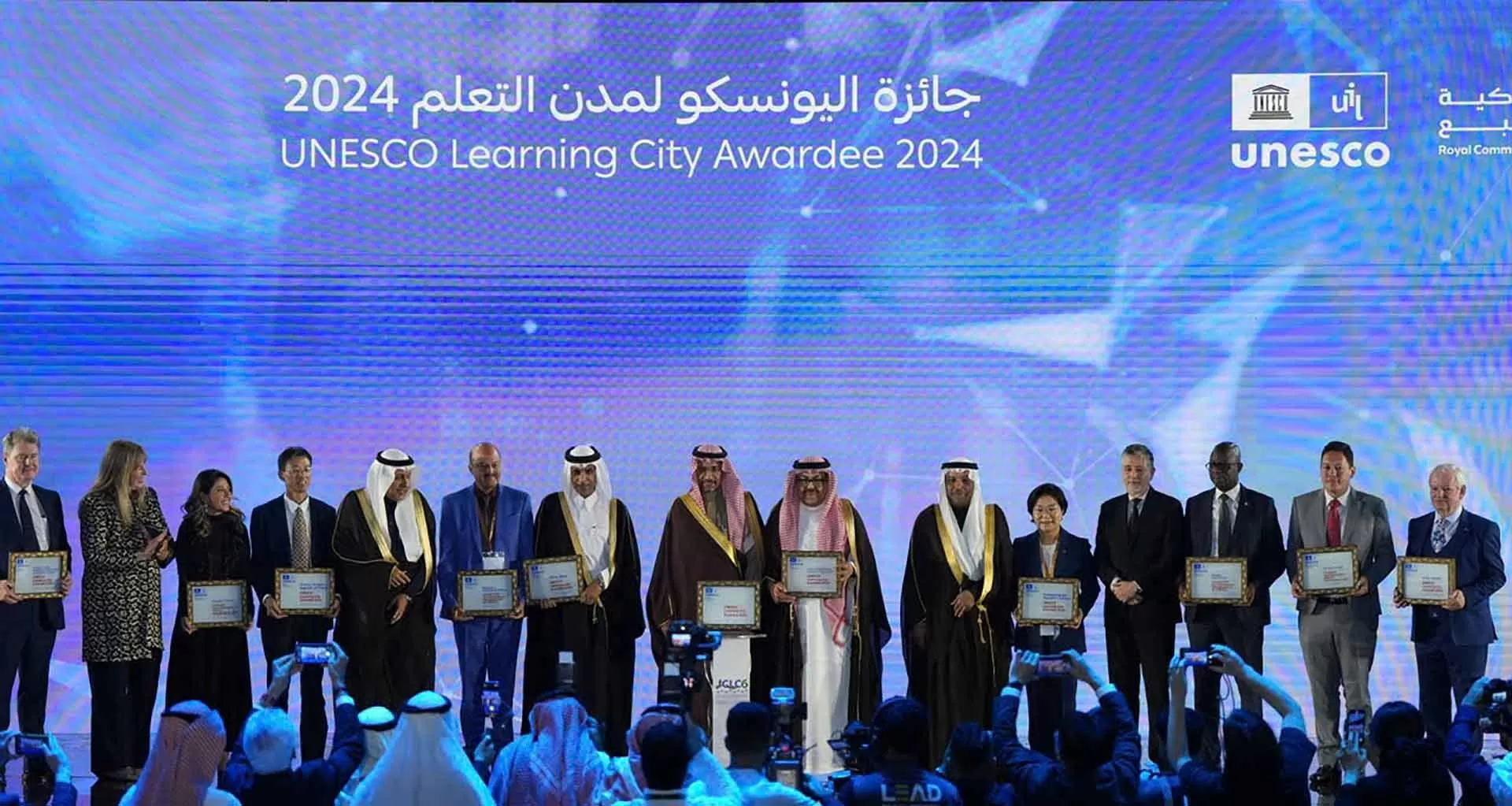
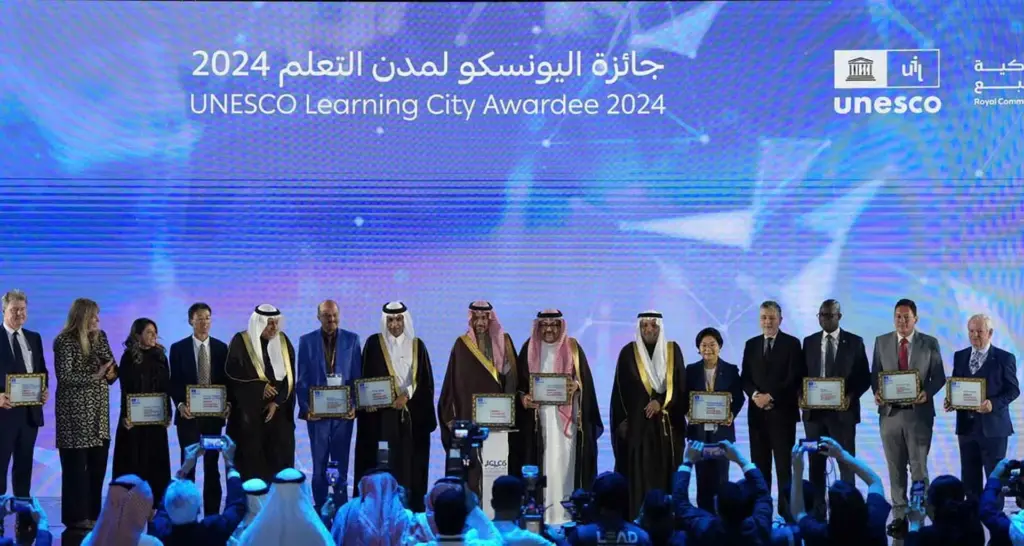
At the Sixth International Conference on Learning Cities, held on December 2, UNESCO presented the Global Learning City Award to ten cities from Morocco, Côte d’Ivoire, Ireland, Ecuador, Qatar, South Korea, the United Kingdom, Mexico, China, and Saudi Arabia.
The award honors cities that excel in promoting lifelong learning and sustainable development through education. Presented every two to three years, it recognizes efforts to make education a driving force for social cohesion, economic growth, and cultural enrichment. Since 2015, 58 cities from diverse continents and socio-economic, political, and cultural contexts have received this prestigious recognition.
Exploring Global Models
The diversity in population size and economic scale among UNESCO’s award-winning learning cities is striking, demonstrating the adaptability of the model across vastly different contexts.
Cities such as Doha (Qatar) and Shanghai (China) represent some of the wealthiest economic hubs in the world. Doha, with a GDP per capita of over USD 60,000 (2023), is transitioning from a resource-based economy to a knowledge-based economy, building a sustainable workforce through education programs linked to industry. Meanwhile, Shanghai, one of the world’s leading financial centers with a GDP per capita of around USD 27,000 (2023), has integrated lifelong learning into urban planning, fueling the growth of its technology and financial services sectors.
In contrast, Bouaké (Côte d’Ivoire) and Mayo-Baléo (Cameroon) are fostering learning cities under highly challenging economic conditions. Bouaké, with a GDP per capita of about USD 2,000 (2023), has used education as a tool for post-conflict social recovery. Similarly, Mayo-Baléo, a small rural town, has prioritized expanding access to basic education to tackle systemic inequalities. These examples illustrate that even with limited resources, education can serve as a key driver for positive transformation.
Population disparities are equally significant. Shanghai and Wuhan, China, are megacities, with Shanghai’s population exceeding 29 million and Wuhan’s surpassing 10 million. Their large-scale education systems face the challenge of meeting the diverse needs of vast urban populations. On the other hand, smaller cities like Benguerir (Morocco), with a population of around 100,000, emphasize community-based, locally tailored approaches. Such contrasts highlight the flexibility of the learning city model in addressing both the complexity of major urban centers and the intimacy of smaller communities.
Lessons for Vietnam
The UNESCO-recognized learning cities, despite vast differences in population size (up to 290-fold) and GDP per capita (over 30-fold), prove that success does not depend on abundant resources or scale, but rather on adaptability and the ability to harness local potential.
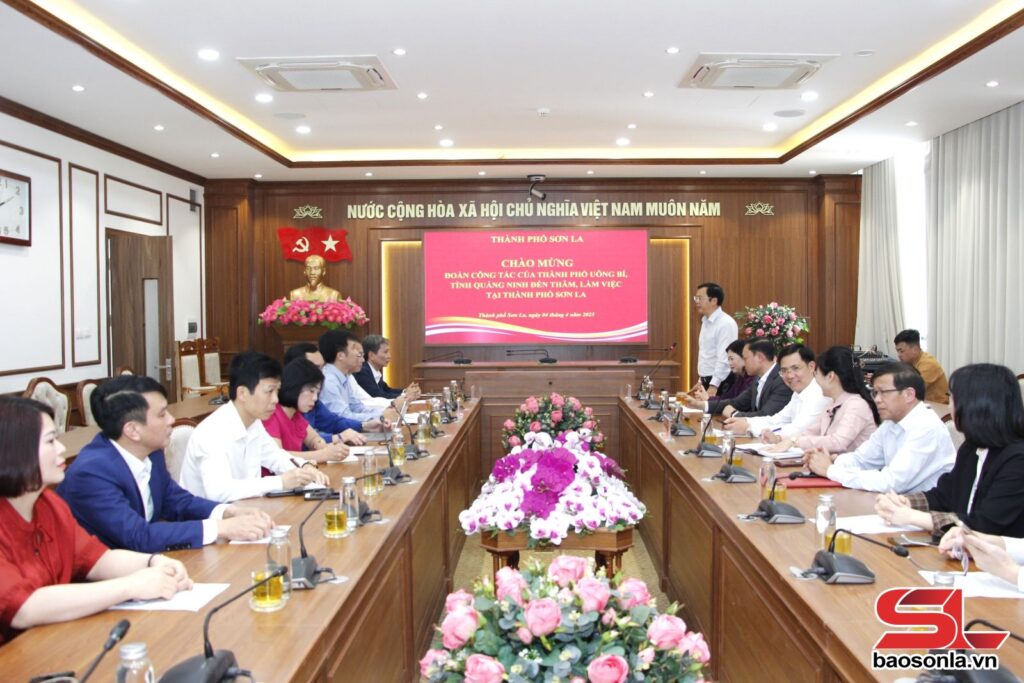
From this perspective, Vietnam’s journey toward developing learning cities—from major metropolises like Ho Chi Minh City to medium-sized and smaller cities such as Vinh, Sa Đéc, Cao Lãnh, and Sơn La—offers many promising pathways.
Ho Chi Minh City, as the nation’s economic hub, can learn from global metropolises like Shanghai (China), Doha (Qatar), and Yanbu (Saudi Arabia) by integrating lifelong learning into urban planning and linking education with key industries. Developing a workforce equipped with skills for high technology and green energy could become a crucial driver of sustainable growth.
Meanwhile, medium and smaller cities such as Sơn La, Sa Đéc, and Cao Lãnh—where economies still rely heavily on agriculture and local trade—may draw lessons from Bouaké (Côte d’Ivoire) and Benguerir (Morocco). These models demonstrate that community strength and a focus on economic restructuring through training and reskilling workers are essential keys to transformation when resources are limited.
From a cultural perspective, the ethnic diversity and rich heritage of Sơn La and Cao Lãnh mirror cities like Cuenca (Ecuador). Harmonizing indigenous knowledge with modern education not only preserves traditional values but also strengthens social cohesion, laying a solid foundation for sustainable development.
The success of global learning cities also serves as an inspiration for Vietnamese urban centers preparing to join the UNESCO network in 2025.
Stories from thriving megacities to small rural communities—or from cities recovering after conflict and war—all affirm that opportunities are equal. UNESCO values diversity and inclusivity, challenging the notion that only developed cities can join the network. This is a powerful message, encouraging all cities, regardless of economic, political, or social conditions, to confidently pursue the goal of lifelong learning.
Tống Liên Anh is a specialist in adult education and lifelong learning. She graduated with distinction from the Master of Education program at Monash University under a full scholarship from the Australian Government and has twice been awarded UNESCO research fellowships on lifelong learning policies.
She has served as an expert and advisor for programs and projects of organizations such as UNESCO and DVV International. During her ten years at Vietnam’s Ministry of Education and Training (2013–2023), she was responsible for initiatives and programs promoting lifelong learning and building a learning society in the country.
Part III: Models to Be Scaled Up
Source: Thế giới và Việt Nam Newspaper
Author: Tống Liên Anh